
Documentation
Documentation
A simplified subsurface scattering component. Details of anything through or behind the material will not be visible; however you can see light passing through it. Glossy reflections are also visible on the material's surface. Reflections are not affected by the material's color but are defined by the incident light.
This component renders more quickly than SubsurfaceScattering and should be used instead if you don't need to see objects through the material. It is useful for representing translucent objects such as grapes.
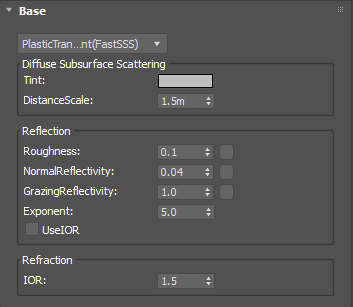
Controls the color of the inside of the material. Light passing through the material will be absorbed gradually, based on this tint color. The thicker the object, the more light will be absorbed. A pure white tint means there will be no absorption; a pure black tint means all light is absorbed as soon as it enters the material. This must be a single color value; it cannot be a texture map or noise function.
Input: Color
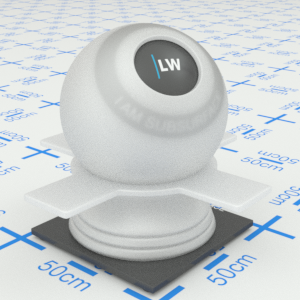
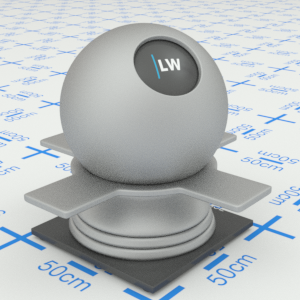
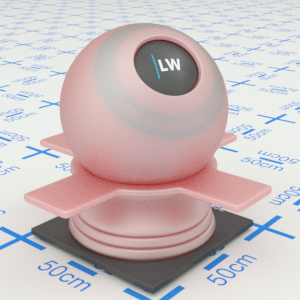
Click material thumbnail for larger view
This value, in meters, controls the overall strength of the subsurface scattering and absorption effects. Reducing this parameter will strengthen the effects. On average, light passing through the material will undergo scattering and absorption each time that it travels this distance through the material. The useful range of this parameter is between one tenth and ten times the size of the object to which the material is applied. Setting a value outside of this range will make little or no difference to the material's appearance.
Range: 0.0 – ∞
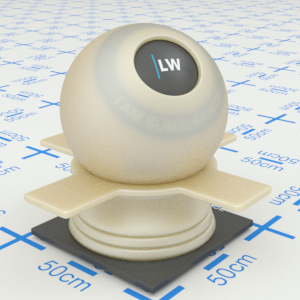
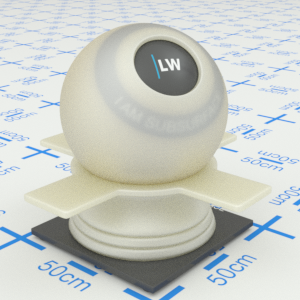
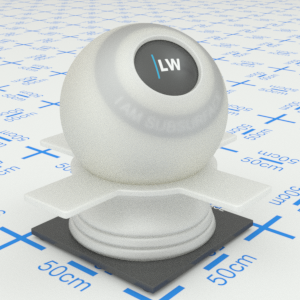
Click material thumbnail for larger view
Simulates the level of polish. Higher values will result in more blurred reflections.
Input: 0.0 – 1.0 or Map
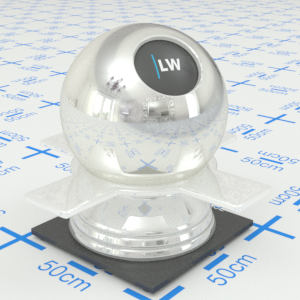
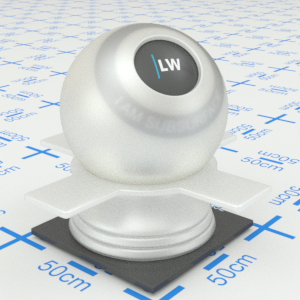
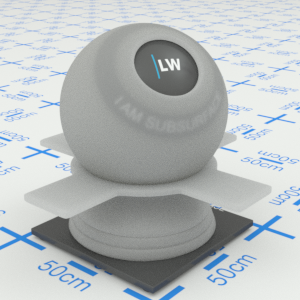
Click material thumbnail for larger view
Controls how shiny the object appears when viewed straight on.
Input: 0.0 – 1.0 or Map
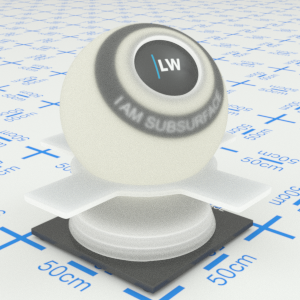
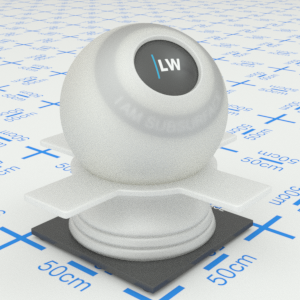
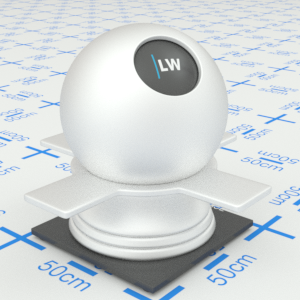
Click material thumbnail for larger view
Controls how shiny the object appears when viewed at a very shallow angle.
Input: 0.0 – 1.0 or Map
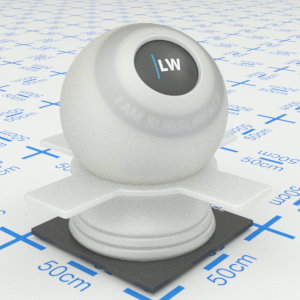
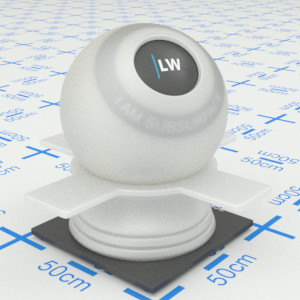
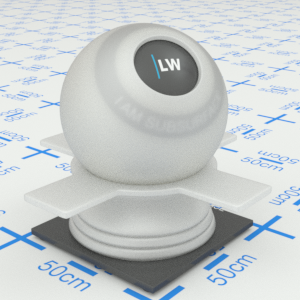
Click material thumbnail for larger view
Controls how quickly the shininess changes between the normal and grazing values as you move across the surface.
Range: 0.0 – 25.0
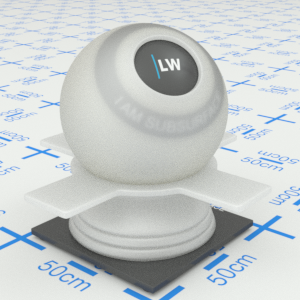
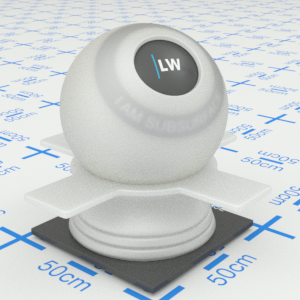
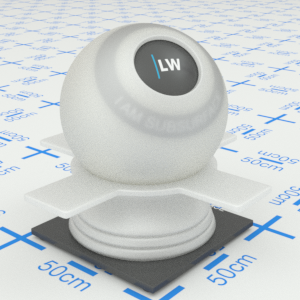
Click material thumbnail for larger view
Ignores the NormalReflectivity, GrazingReflectivity, and Exponent settings, and instead uses the IOR parameter (see below) to define the falloff curve.
Input: On/Off Checkbox
Index of Refraction. Controls the amount of reflection and shape of the falloff curve. UseIOR must be ticked.
Range: 0.0 – 50.0
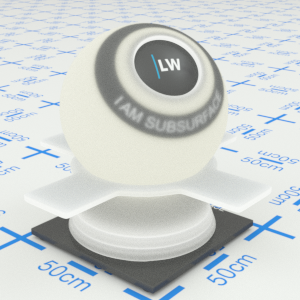
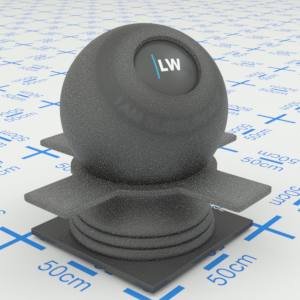
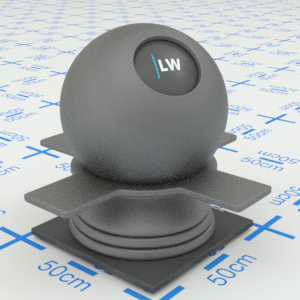
Click material thumbnail for larger view
Click material thumbnail for larger view
Base
.png)
Last edited: